You've probably never given much thought to where the saffron in your kitchen comes from, who picked the coffee beans in your morning flat white or how long it takes to turn a cacao pod into a chocolate bar. But behind some of our most everyday ingredients are places worth travelling halfway around the world to see. It's a different way to think about travel. Rather than planning a holiday around famous attractions, why not follow the story of something you eat or drink every day?
Saffron - Morocco
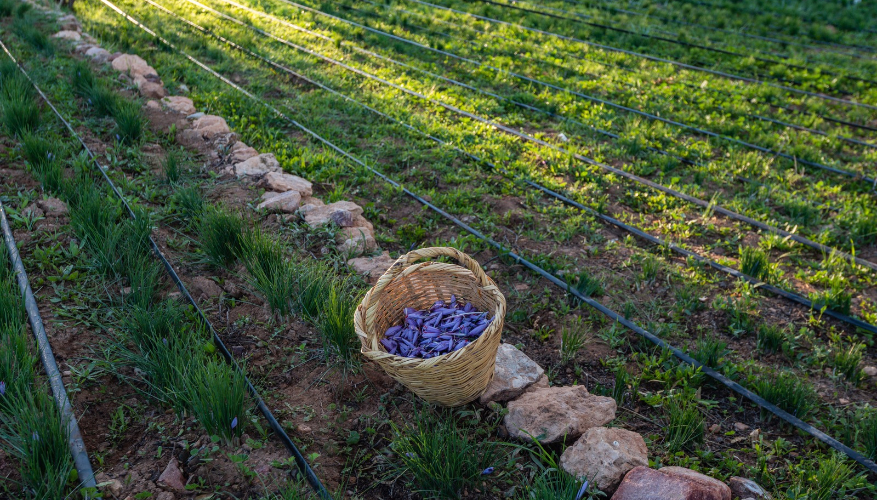
Every autumn, farmers head into the fields to pick thousands of small purple crocus flowers. Each flower contains just three tiny red threads, which are carefully removed by hand. Around 150 flowers are needed to produce a single gram of dried saffron. It's a huge amount of work for something you might casually add to a pot of rice. October and November are generally the best months to visit if you're interested in seeing the harvest. Local cooperatives offer opportunities to learn about saffron production, and you'll find the spice used in everything from tagines to tea.
Chocolate – Ecuador
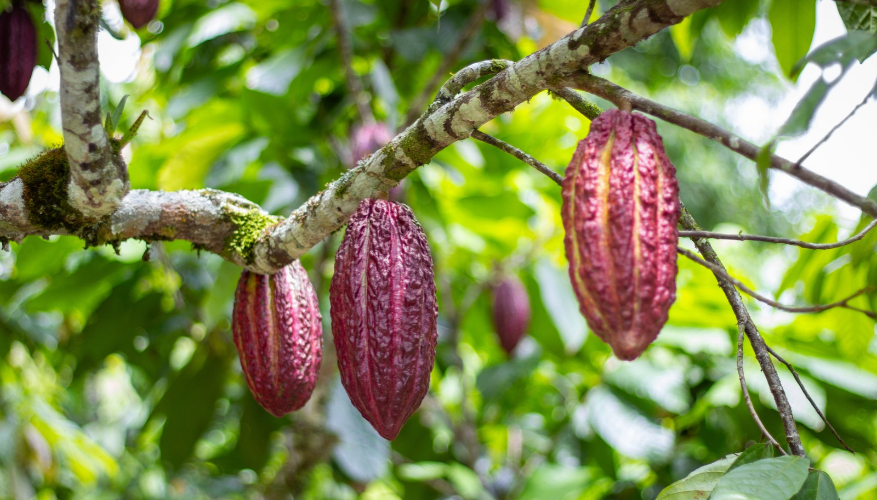
Most people associate chocolate with Switzerland or Belgium. But if you want to see where the story really begins, head to Ecuador. People in this part of South America were using cacao more than 5,000 years ago, and Ecuador still produces some of the world's most sought-after beans. Visit a cacao farm and the first surprise is how little the fruit resembles chocolate. The pods can be yellow, orange or red, and inside you'll find beans covered in a sweet, sticky white pulp. It's only after fermentation, drying and roasting that those beans begin to develop the flavours we recognise. Several farms offer tours where you can try the fresh fruit, watch chocolate being made and taste the finished product. You might also discover just how different chocolate can taste when it hasn't been loaded with sugar.
Olives – Greece
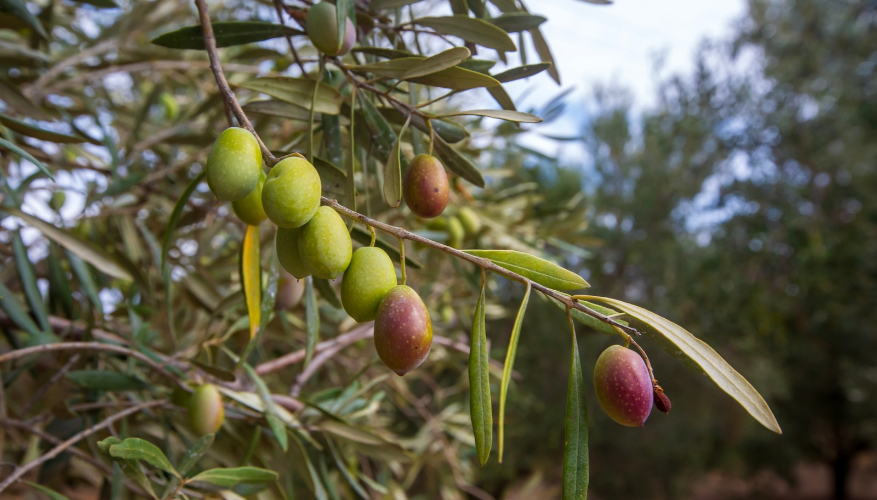
If you've ever poured olive oil over a salad without giving it a second thought, a trip to Greece might change that. Around Kalamata in the Peloponnese, olive growing is a family business, with some groves passed down through generations. Visit during the harvest, usually between autumn and winter, and you may see families gathering olives before taking them to the local mill. You can also join an olive oil tasting, which is more interesting than it sounds. Different oils can taste grassy, peppery or even slightly bitter. That peppery feeling at the back of your throat? It's often a sign of the natural compounds found in fresh extra virgin olive oil. The Peloponnese is also a great region to explore by car, with small coastal towns, archaeological sites and family-run tavernas scattered throughout the area.
Coffee – Colombia
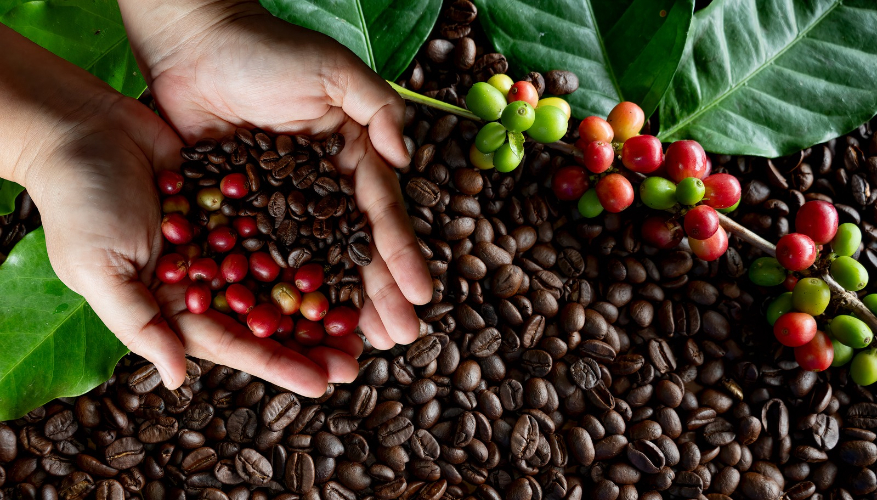
Australians take their coffee seriously, but even the biggest coffee enthusiast might be surprised by what goes into producing a single cup. In Colombia's Coffee Region, around towns such as Salento and Filandia, farms cover the hillsides, often on slopes too steep for large harvesting machines. On a farm tour, you'll learn how coffee cherries are picked, how the beans are removed and dried and why two coffees grown just a few kilometres apart can taste completely different. You'll learn that the beans aren't actually beans at all. They're seeds found inside a fruit that turns red or yellow when ripe.
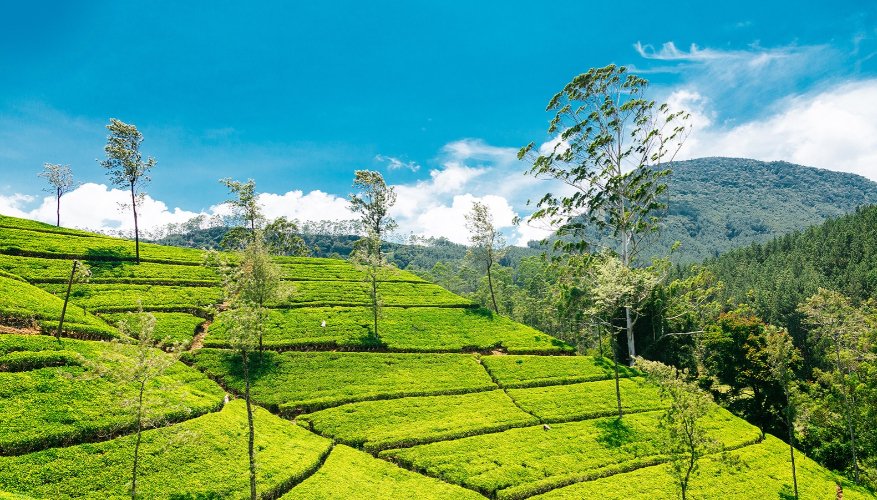
Tea – Sri Lanka
If you drink tea every morning, you might be surprised to learn just how much the place it's grown can affect what ends up in your cup. Sri Lanka has been producing tea commercially since the 19th century and its central highlands are still covered in plantations. Around Nuwara Eliya, Ella and Haputale, you can visit working tea estates to see how the leaves are picked, processed and sorted. One of the more interesting things you'll learn is that black, green and white tea can all come from the same plant. Much of the difference comes down to how the leaves are handled after picking Tea grown at higher elevations also tends to taste different from varieties produced in warmer, lower regions.
Vanilla - Madagascar
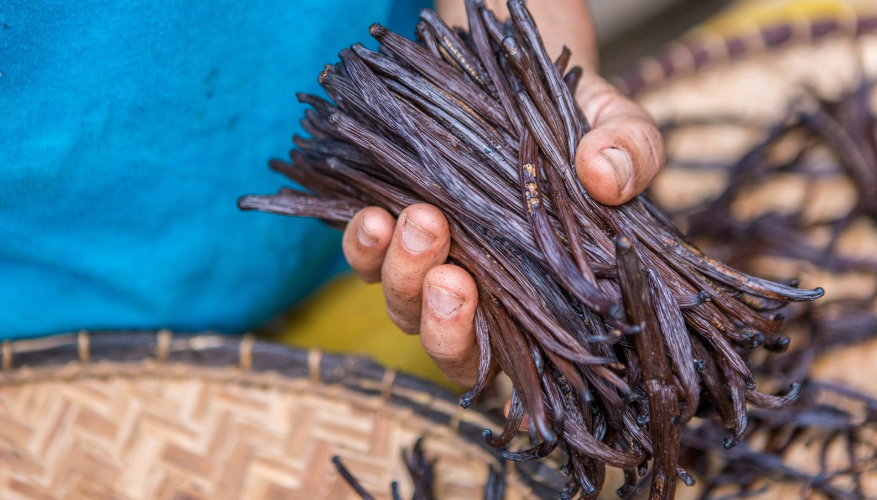
Vanilla might be one of the most familiar flavours in the world, but growing it is anything but straightforward. In northeastern Madagascar, particularly around the town of Sambava, vanilla farming provides a living for thousands of families. The region produces some of the world's most sought-after vanilla, but getting it from plant to pantry takes considerably more effort than you might expect. For starters, vanilla comes from an orchid. Each flower opens for just one day, and farmers generally have to pollinate it by hand. Miss that window and there won't be a vanilla pod to harvest. Once the green pods are picked, they're put through a lengthy curing process involving heating, sweating, drying and conditioning. It can take several months before they develop the familiar aroma used in everything from ice cream to cakes.
Contact your local Travellers Choice travel agent about adding food experiences, farm visits and local tastings to your next holiday.