In many places, the ride is not just a way to get around. It's the experience itself. Across the world, local transport is shaped by culture, climate and geography, and experiencing it firsthand can reveal more about a destination than any landmark alone.
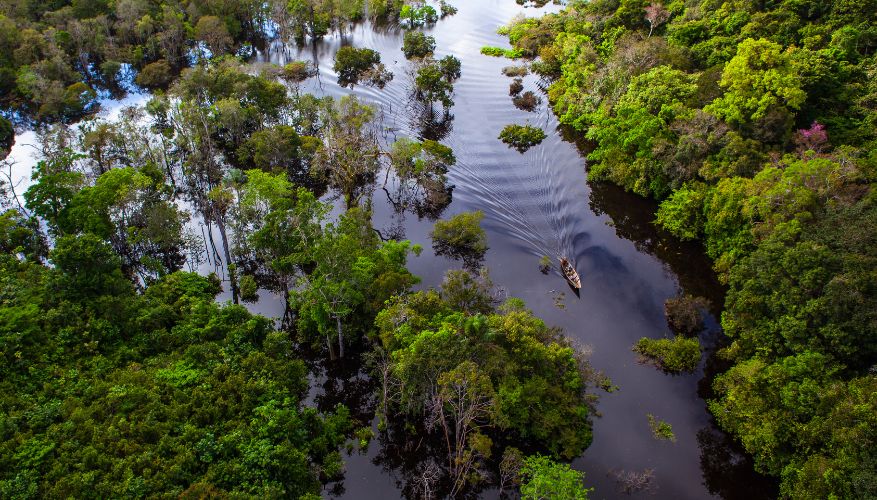
Canoes in the Amazon
In the Amazon rainforest, rivers are the roads. Motorised long wooden canoes, also called peque-peques, are used to reach villages, markets and schools deep within the jungle. The name is an onomatopoeia for the distinct, loud sound of their engines (peque-peque-peque). Travelling by canoe offers an intimate view of life along the riverbanks. Wildlife appears without warning and dense rainforest stretches endlessly in every direction. This form of transport is essential in a region where water shapes daily life.
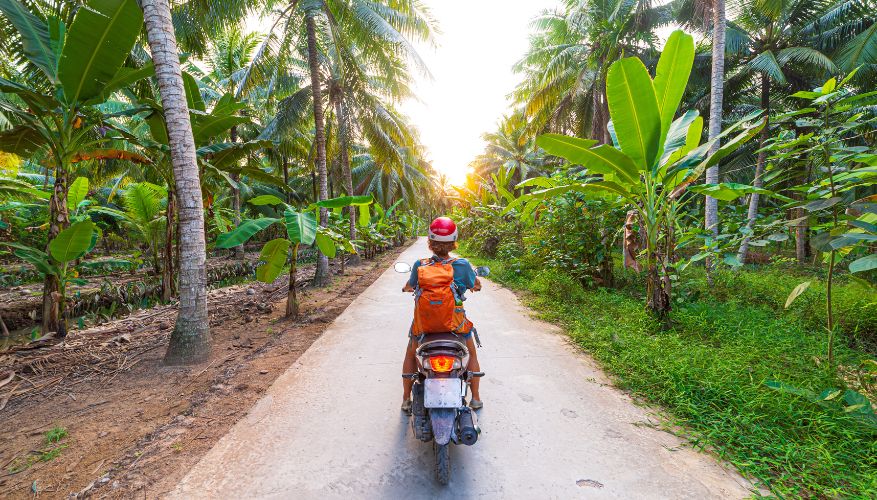
Mopeds in Vietnam
Vietnam runs on two wheels. In Hanoi, Ho Chi Minh City and Da Nang, mopeds fill the streets from morning to night, carrying everything from schoolchildren to entire shop deliveries. Travelling by moped is one of the best ways to experience the country up close, allowing easy access to local restaurants and cafes that larger vehicles cannot reach. Vietnam’s traffic may look chaotic, but there's a rhythm to it and once you are part of the flow, it all makes sense. This style of transport reflects Vietnam’s energy, adaptability and everyday life in a way no taxi ride ever could.
Water Taxis in New York City
New York moves fast and sometimes the quickest way around is by water. Ferries and water taxis criss-cross the harbour, connecting Manhattan, Brooklyn and beyond. Travelling this way offers skyline views, fresh air and a surprising sense of calm compared to the city streets. With landmarks like the Statue of Liberty and Brooklyn Bridge along the route, the ride becomes part of the experience in a city built around its water.
Inflatables in Antarctica
Antarctica has no roads, only ice, ocean and vast open space. Travel here happens by expedition ships and small inflatable boats called Zodiacs. These boats navigate icy waters, weaving past massive icebergs and bringing passengers up close to wildlife onshore. Penguins often swim alongside the Zodiacs as you approach the shore, while seals lounge on floating ice nearby. This unique form of transport exists purely because of Antarctica’s extreme environment, making every landing feel like a true expedition.
Tuk Tuks in Thailand
Thailand’s tuk tuks are noisy, colourful and full of personality. These three wheeled vehicles dart through traffic in cities like Bangkok and Chiang Mai, slipping down narrow streets as street food aromas float by, markets blur past and the city pulses around you. While tuk tuks exist in other countries, Thailand’s versions are deeply tied to its urban culture and sense of fun. Riding in one feels like an introduction to the country’s lively spirit.
Trams in Lisbon
Lisbon’s heritage yellow trams climb steep hills and rattle through tight corners in neighbourhoods like Alfama and Bairro Alto. These trams were designed to handle the city’s terrain and have remained one of the most practical ways to get around since 1873, with six different routes and 58 trams in operation. Tram 28 is the premier tourist route, taking passengers to major sites like Sé Cathedral, Portas do Sol and Graça. Riding one feels like travelling through layers of history, past tiled facades, viewpoints and everyday scenes of local life.
Long after the photos are taken and the bags are unpacked, it is often the journeys in between that linger. Contact your local Travellers Choice agent to feel the hum of a moped, the sway of a boat, the rattle of a tram or the quiet glide across snow all tell the story of a place in motion.