There was a time when a holiday meant ticking off landmarks, filling every hour and coming home with a suitcase full of trinkets. But have you noticed that there’s a quieter and more intentional approach shaping how we travel? This shift is not just in how we travel, but in the words we use to describe it. A new wave of language is emerging, shaped by changing priorities and a desire for experiences that feel more personal and considered. These aren’t just trendy terms – they’re a lens to our travel motivations and goals.
Hushpitality
Hushpitality is all about seeking out calm. Not just a peaceful hotel, but a slower rhythm from start to finish. It’s choosing places where the noise fades, the pace softens and there’s no pressure to be constantly doing something. This might look like mornings that unfold naturally, afternoons spent exactly how you feel in the moment and evenings that don’t revolve around a packed itinerary. It’s less about switching off completely and more about creating space to simply be.
With everyday life becoming busier and more demanding, this kind of travel is becoming increasingly appealing and offers a rarity that many people feel they’re missing - time that isn’t rushed or overfilled.

Inheritourism
Inheritourism brings a different kind of meaning to travel. It’s about the places, habits and traditions that are passed down over time. For some, it’s returning to a destination that has been part of family holidays for years. For others, it’s choosing a style of trip that feels familiar, comfortable and connected to earlier memories. These decisions often happen without much thought, but they carry a strong sense of connection.
There’s a comfort in revisiting what’s known, especially when so much else changes. It turns travel into something layered, where each visit builds on the last and adds to a shared story. Rather than always searching for something new, inheritourism shows that there’s value in going back, seeing things differently and keeping traditions alive in a way that still feels relevant.
Onebagging
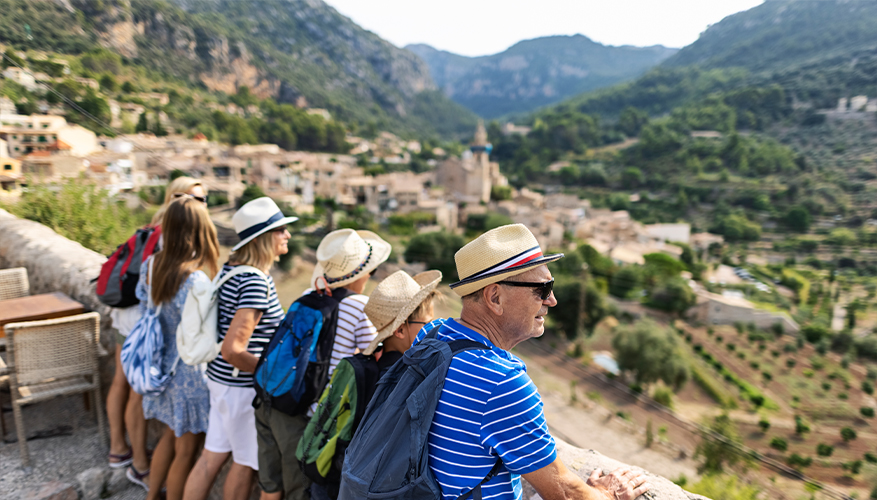
On the other end of the spectrum is onebagging, a concept that focuses on simplicity. Travelling with just a single bag might sound limiting at first, but for many it creates a sense of ease. With less to carry, decisions become simpler and movement becomes more fluid. There’s no waiting around for luggage, no overpacking and no unnecessary extras to manage along the way.
It’s not just about what fits into a bag, but about what you actually need to enjoy your time away. For some, that shift in mindset makes the entire experience feel lighter and more flexible. Onebagging is growing in popularity because it aligns with a broader desire to strip things back and focus on what really matters.
A Different Way to Think About Travel
When you look at these ideas together, a clear pattern emerges. Travel is becoming less about doing more and more about doing what feels right. That could mean slowing everything down, returning to somewhere meaningful or simplifying the entire experience. In many cases, it’s a combination of all three. Planning a trip now involves more than choosing a destination. It’s about shaping an experience that reflects how you want to spend your time, whether that’s quiet and restorative, familiar and nostalgic, or flexible and streamlined.